Singapore vs. Malaysia for Phase II Clinical Trials

Singapore and Malaysia are the two most-cited APAC markets for sponsors planning Phase II clinical trials outside Japan, India, and Australia. Both have strong regulatory frameworks, experienced investigator pools, and GCP-compliant site infrastructure. Because they are close enough in quality to require a deliberate choice, and different enough in cost and timelines for that choice […]

Read More →
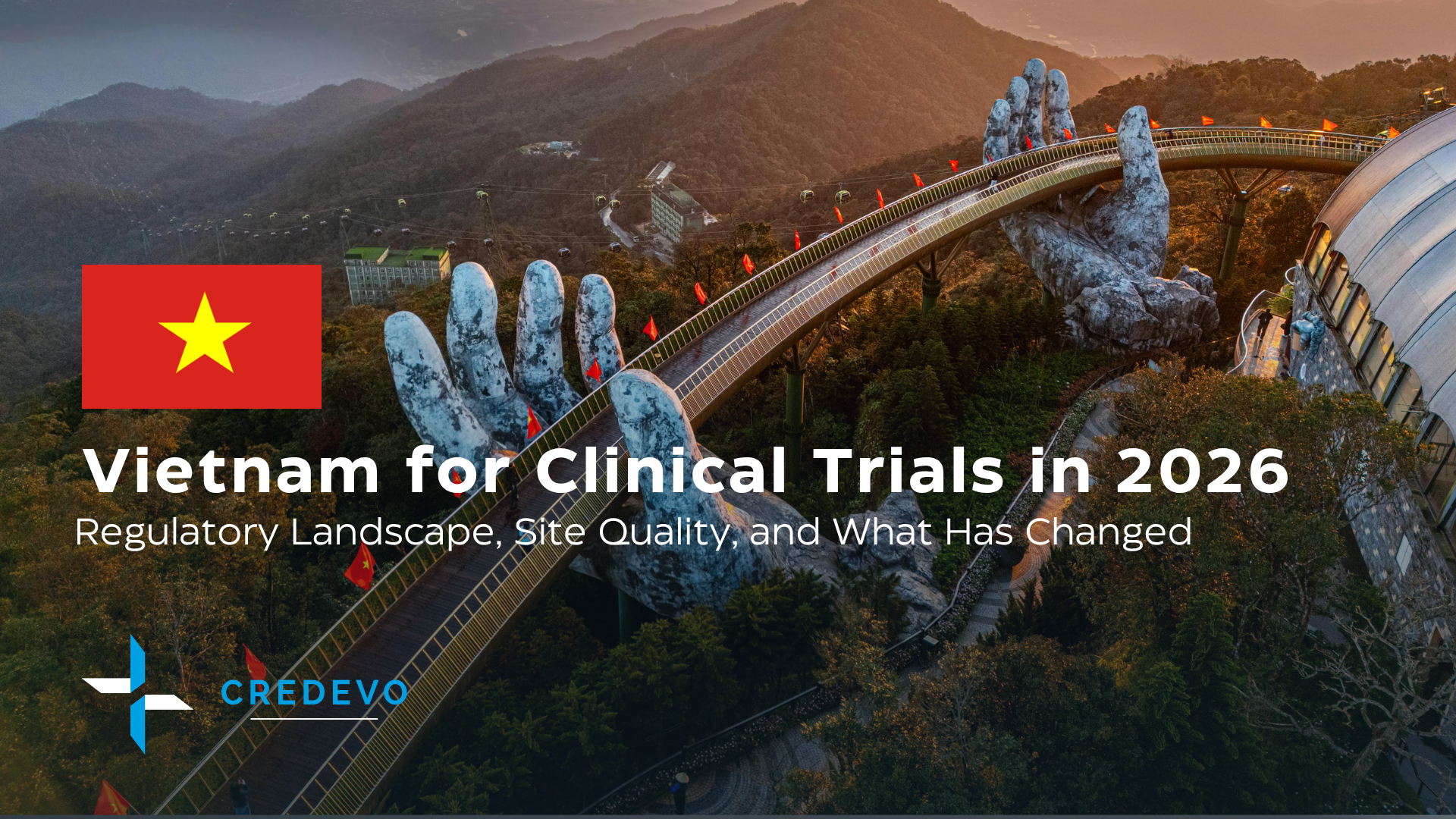
Vietnam for Clinical Trials in 2026

Vietnam has been on the periphery of APAC clinical trial planning for most of the last decade, considered after Thailand, Malaysia, and India if considered at all. That positioning is no longer accurate. Since 2022, the Drug Administration of Vietnam (DAV) has shortened approval timelines, the ethics committee landscape has become more predictable, and investigator […]

Read More →
Functional Service Provider: What the Model Is, When It Works, and What Sponsors Often Get Wrong

The Functional Service Provider (FSP) model gives sponsors something that full-service CROs and pure in-house execution don’t: operational depth in specific markets or functions, without surrendering governance of the study. When sponsors use it well, they get experienced on-ground staff, maintain data and IP control, and run leaner than a full-service model allows. When they […]

Read More →
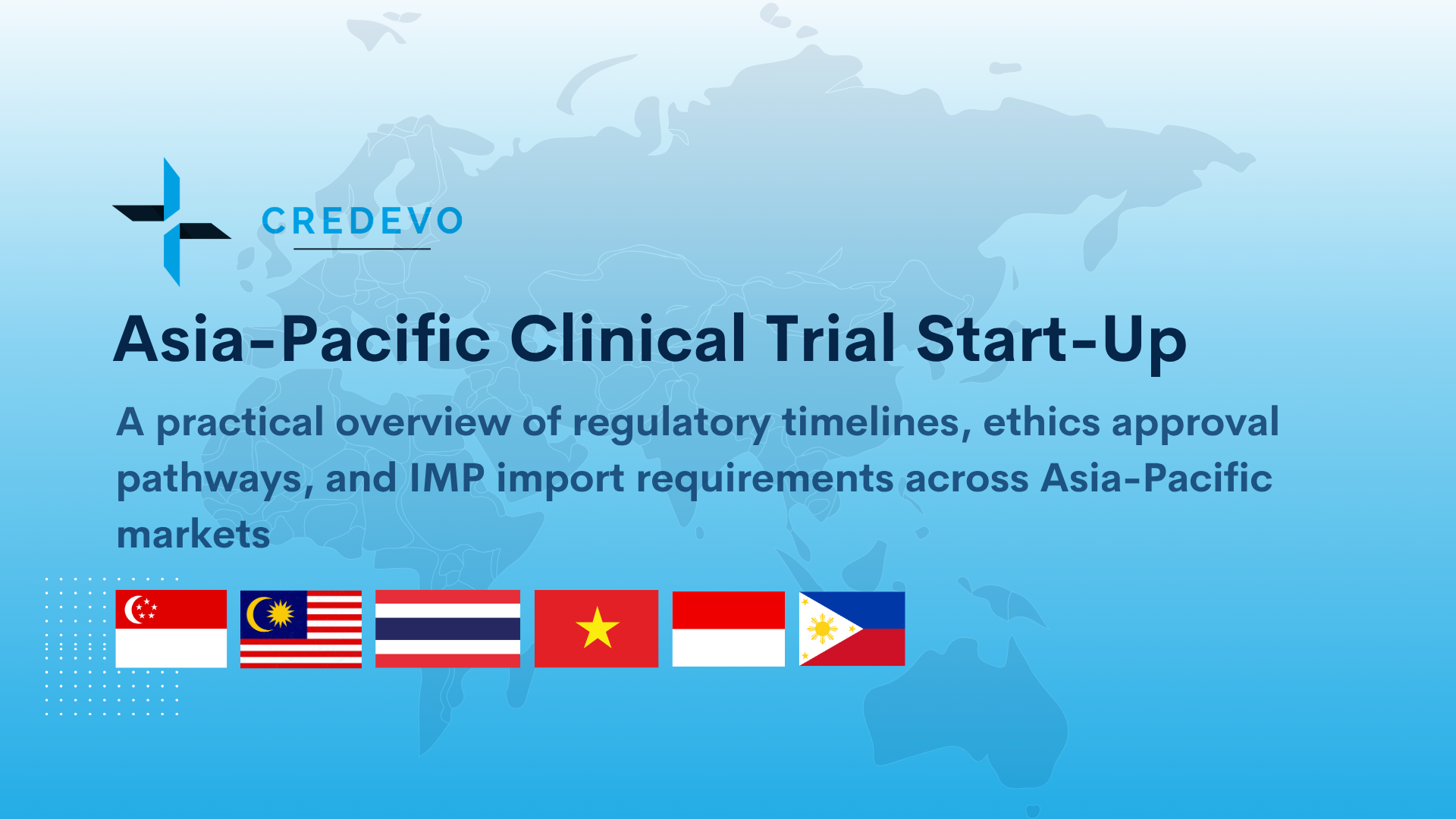
Clinical Trial Start-Up Guide in Asia-Pacific: Regulatory Timelines, Ethics Approval (EC) Processes & IMP Import Requirements

Key takeaways Asia-Pacific (APAC) has become one of the most attractive regions for clinical trials due to patient diversity, strong investigator networks, and lower operational costs. However, clinical trial start-up timelines remain highly fragmented across countries. Singapore remains the fastest and most predictable market for clinical trial activation due to centralized systems, parallel submissions, and […]

Read More →
Early Investigator Engagement Strategies in Triple-Negative Breast Cancer Trials

Triple-Negative Breast Cancer (TNBC) remains one of the most aggressive and complex forms of metastatic breast cancer, presenting major challenges for sponsors, investigators, and CROs in oncology drug development. As biomarker-driven therapies, immuno-oncology approaches, and precision medicine strategies rapidly evolve, early investigator engagement has become essential for successful clinical trial execution. Strategic collaboration during protocol […]

Read More →
Blockbuster Drugs Are Losing Patent Protection in 2028

As four major blockbuster drugs losing patent protection in 2028, the pharmaceutical industry faces one of the most commercially significant exclusivity cliffs in recent years, with more than $56 billion in annual revenue at stake. For generic and biosimilar sponsors, this is not simply a future market event but a present strategic window that demands […]

Read More →
Sanfilippo Syndrome (MPS III): Disease Burden, Treatment Landscape & Research Outlook

Sanfilippo Syndrome, caused by a deficiency in one of four enzymes responsible for breaking down heparan sulfate in the brain, presents across four biochemically distinct subtypes, each with its own genetic origin, rate of progression, and clinical nuance. Despite affecting an estimated 1 in 70,000 births globally, the condition remains without a single approved disease-modifying […]

Read More →
Epidermolysis Bullosa Simplex (EBS)

Two gene therapy approvals. Twelve months. One disease that had almost no treatment options just three years ago. That is where Epidermolysis Bullosa (EB) stands today. The field has moved fast. But the work is far from over, and the most important opportunities may still lie ahead. What Is Epidermolysis Bullosa? Epidermolysis Bullosa is a […]

Read More →
Amyotrophic Lateral Sclerosis (ALS):Current Treatment Landscape and Emerging Opportunities

Key Takeaways from this article — Amyotrophic Lateral Sclerosis (ALS) affects approximately 30,000 Americans at any given time, with about 5,000 new diagnoses each year in the US alone. — The global ALS treatment market is in an active growth phase, driven by genetic stratification, biomarker-enabled trials, and a first genotype-specific approval in 2023. — […]

Read More →
Biologics Clinical Trials

Biologics have changed the way we treat diseases. Unlike small-molecule drugs, which are made from chemical compounds with clear structures, biologics are large and complex molecules that come from living organisms. This group includes monoclonal antibodies, recombinant proteins, and the growing area of cell and gene therapy. Biologics allow for better targeting of disease pathways, […]

Read More →